 English
 Spanish
Tailor-Made Ephesus Tour from Izmir
Tour Details
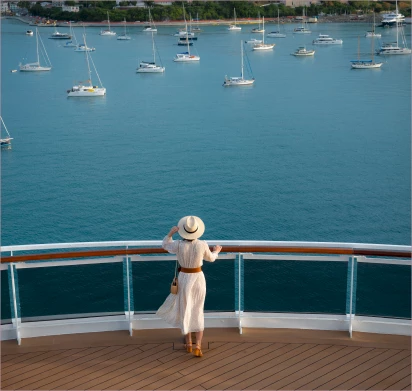
Explore the stunning ruins of Ephesus on this full-day sightseeing tour from Izmir. Since this is a private tour, you can leave at any time, depending on the arrival and departure time of your cruise ship. Pick up and drop off locations are in Izmir Hotels and from Izmir Cruise Port.
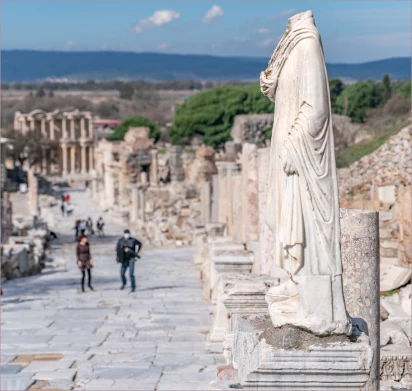
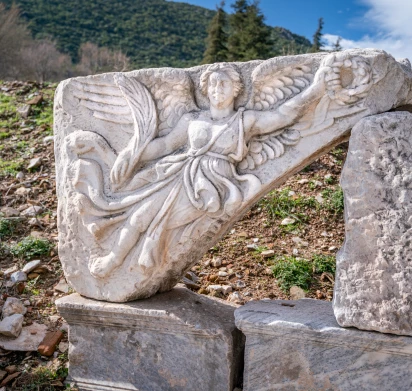
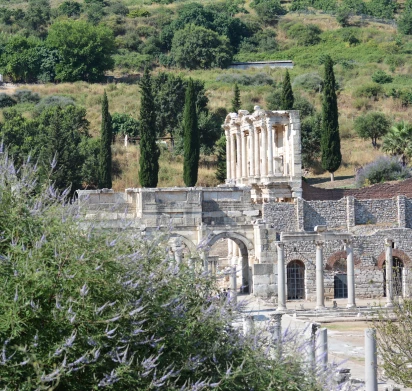
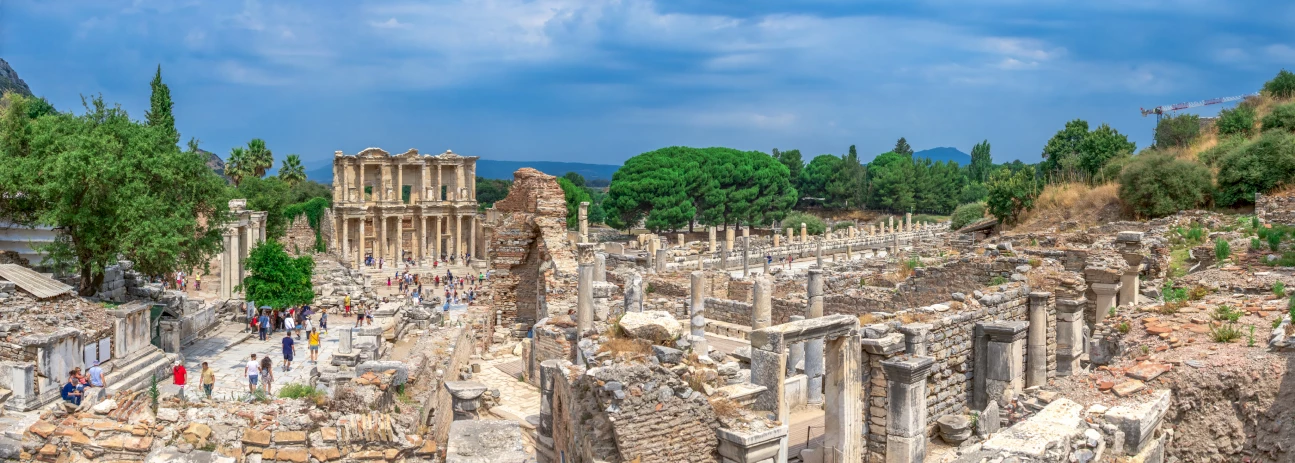
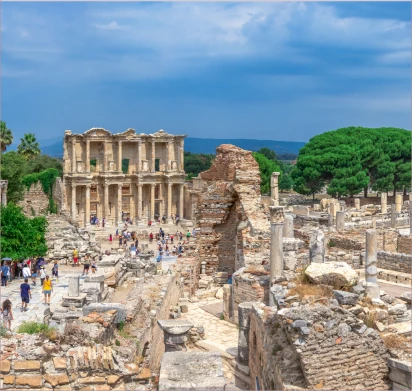
You will also visit the small house of the Virgin Mary, where she is said to have spent her last days after Saint John took her to Ephesus following the death of Jesus. The house is located on Mount Bulbuldagi (Koressos) and is a popular pilgrimage site for Christians and Muslims with a captivating spiritual atmosphere. Once on the grounds of Ephesus, walk through the ruins with your guide and see sights such as the Odeon Theater, which in its day seated up to 1,400 spectators. Admire the beautiful Roman statues and decorations carved into marble slabs at the Pollio Fountain. Another highlight is the Celcius Library, completed by the Romans in 117 AD. The building has the most impressive facade with columns, statues, and intact windows. You will have the opportunity to visit the Terrace Houses, a private area in the ancient city of Ephesus that resembles Roman villas. The floor mosaics and frescoes have been consolidated, and two houses have been opened to the public as a museum. Finally, explore the Greek Temple of Artemis, one of the 7 Wonders of the Ancient World, and visit the Basilica of St. John , built by Justinian I over the tomb of St. John the Apostle.
Please note that It takes one hour drive to Ephesus from Izmir.
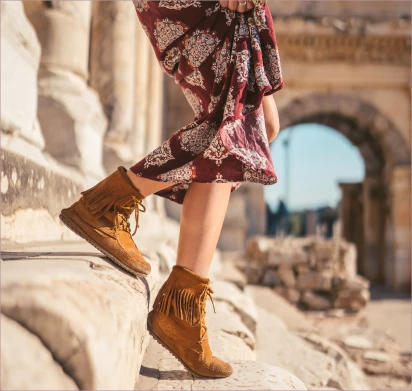
This tour requires a minimum of 2 hours of walking. Comfortable shoes and a sun hat is advised. Please fill out the inquiry form, and one of our tour guides will contact you to give you more information about this fantastic tour.
We do not require pre-payment to confirm your reservation, Your tour guide will have pre purchased skip-the-line tickets in order to not wait in the long line, the payment can be done in cash at the end of the tour
Izmir Port, Izmir Hotels and Izmir ADB Airport
Ephesus Ancient City - Terrace Houses - Virgin Mary House - St. John Basilica - Isa Bey Mosque - Artemis Temple
- Professional Tour Guide
- Private De-Luxe Cars
- Parking Fee
- All taxes
- Pick up and Drop off
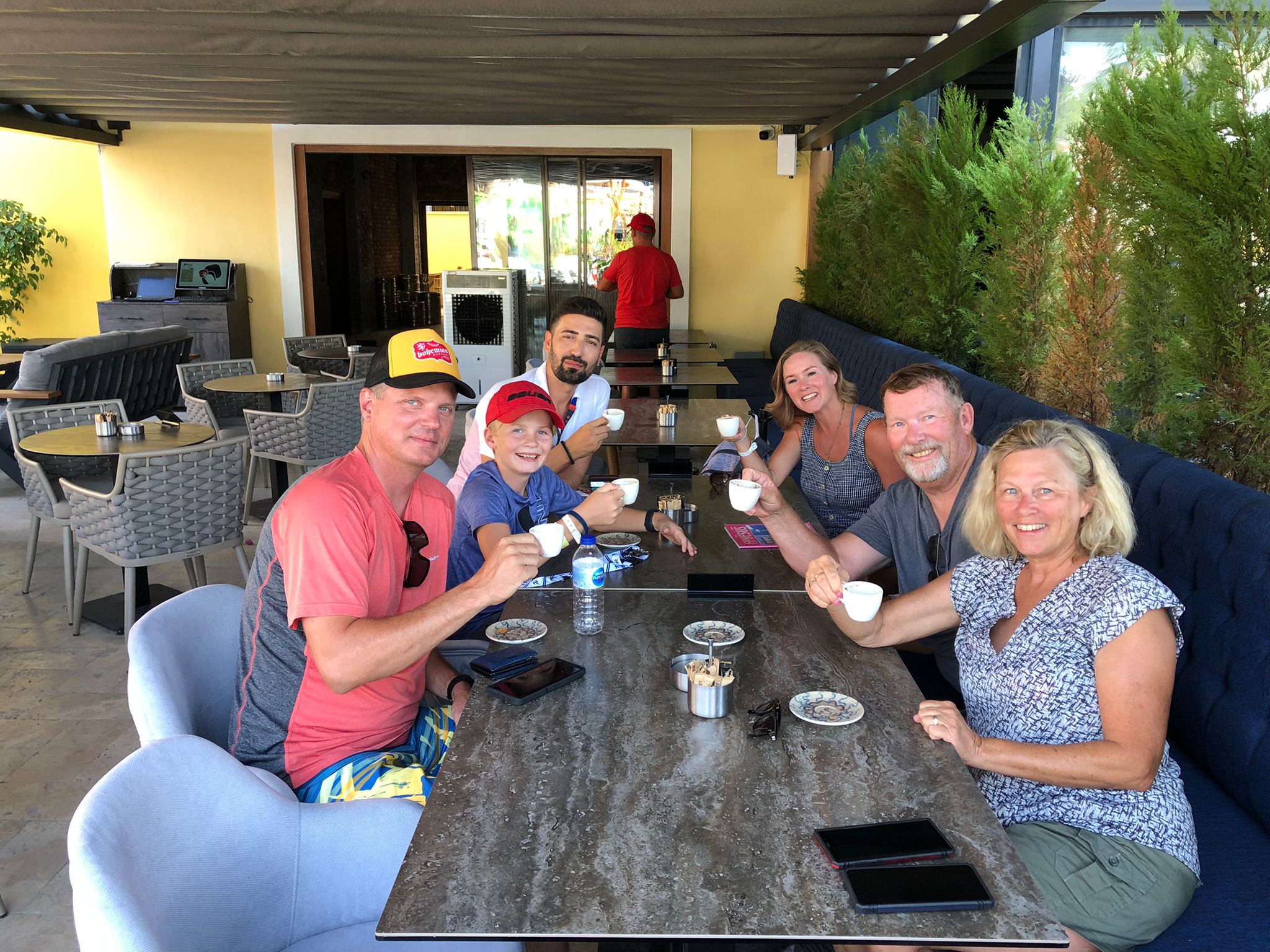
- A Delicious Local Lunch
- Beverages at Lunch
- Entrance Fees (Tickets are pre-purchased to skip the line)
- Unlimited bottled water.
- Sun Protection UV Umbrella






 Full Day - 8 Hours